Jung, Prayer, and the Inner Life
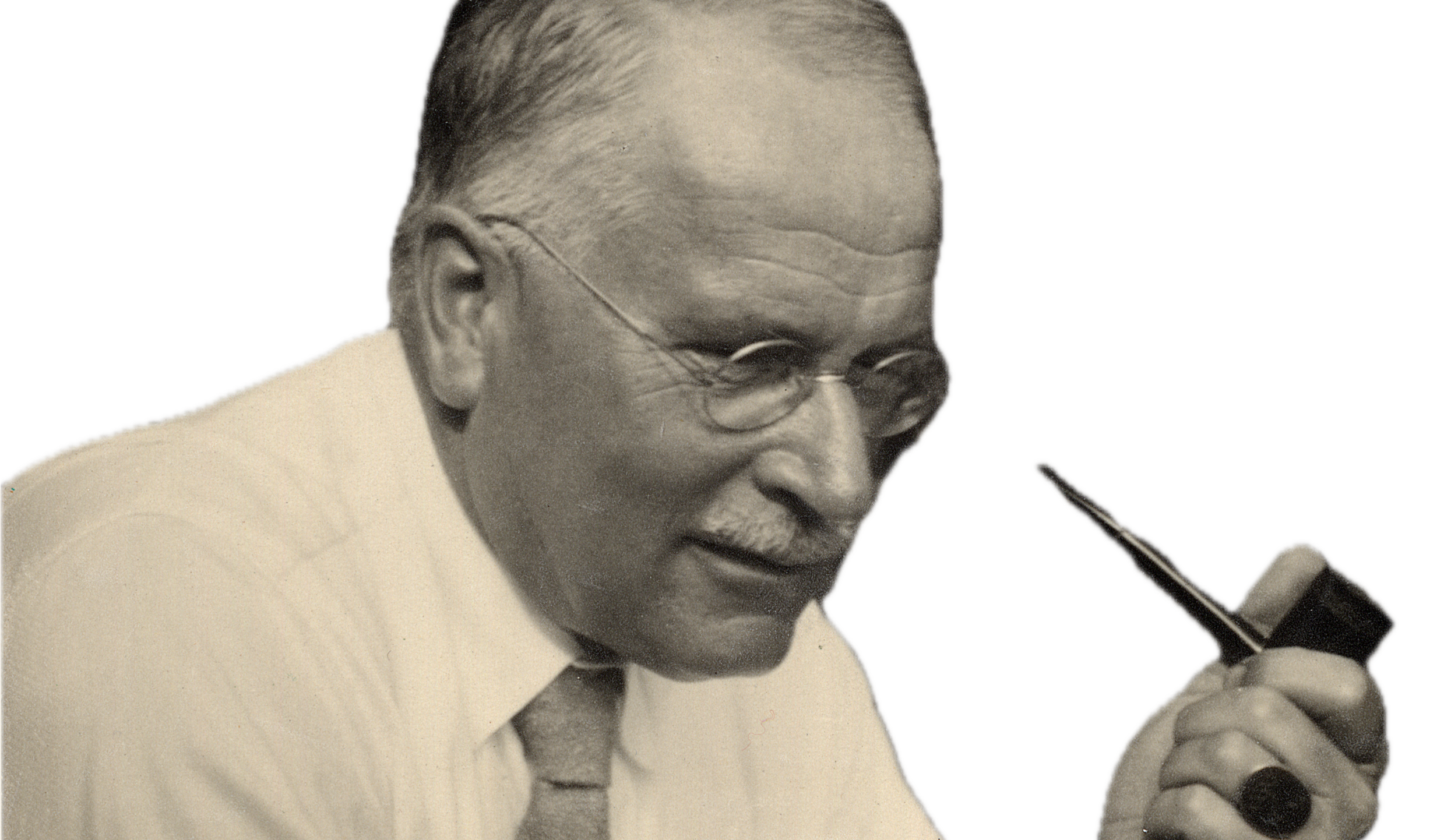
Carl Jung did not produce formal scientific studies on prayer in the modern empirical sense. What he did offer was something different: a deep psychological framework for understanding religion, religious experience, symbol, spirit, and inner transformation. His Collected Works, especially Volume 11, Psychology and Religion: West and East, remain one of the main starting points for approaching these questions in Jungian thought.
For Jung, religion was not merely a system of doctrines or external beliefs. He treated it as an attitude of mind and as a serious dimension of psychic life. This matters for prayer, because prayer can be approached not only as ritual speech, but as a form of inward relation, attention, surrender, and encounter with what Jung would have called the numinous. In this sense, prayer is psychologically significant even when it cannot be reduced to measurement.
Jung’s importance for the study of prayer lies less in laboratory evidence than in his account of the human being as a symbolic and spiritually responsive creature. He believed that modern people often suffer not only from conflict or repression, but from disconnection from deeper layers of the psyche. Religious symbols, in his view, are not trivial ornaments of belief; they emerge from the natural life of the unconscious and carry transformative meaning. Prayer, seen through this lens, may function as one way the conscious personality enters into relation with realities larger than the ego.
This is also why Jung remains relevant today. Modern people are often highly trained in analysis, explanation, and outward control, yet relatively unpracticed in reverence, symbolic perception, and inward listening. Jung’s work suggests that the loss of religious depth is not merely a cultural shift but a psychological one. Prayer, in that context, may be understood as part of the recovery of inner life: not as superstition, but as a disciplined opening to meaning, humility, and transformation.
Holy is interested in Jung not as an authority on doctrine, and not as a substitute for theology, but as a thinker who took the religious dimension of human life seriously. He did not give us a neuroscience of prayer. He gave us something else: a psychological language for understanding why prayer, symbol, and the experience of the sacred continue to matter.
References
Jung, C. G. Collected Works of C. G. Jung, Volume 11: Psychology and Religion: West and East. 2nd ed. Yale University Press, 1969.
International Association for Analytical Psychology. “Volume 11: Psychology and Religion: West and East.”
Routledge / Taylor & Francis. Psychology and Religion Volume 11.
Jung Page. “Abstracts of the Collected Works of C. G. Jung, Volume XI.”
If you want, I can make this more Christian, more intellectual, or more editorial.